
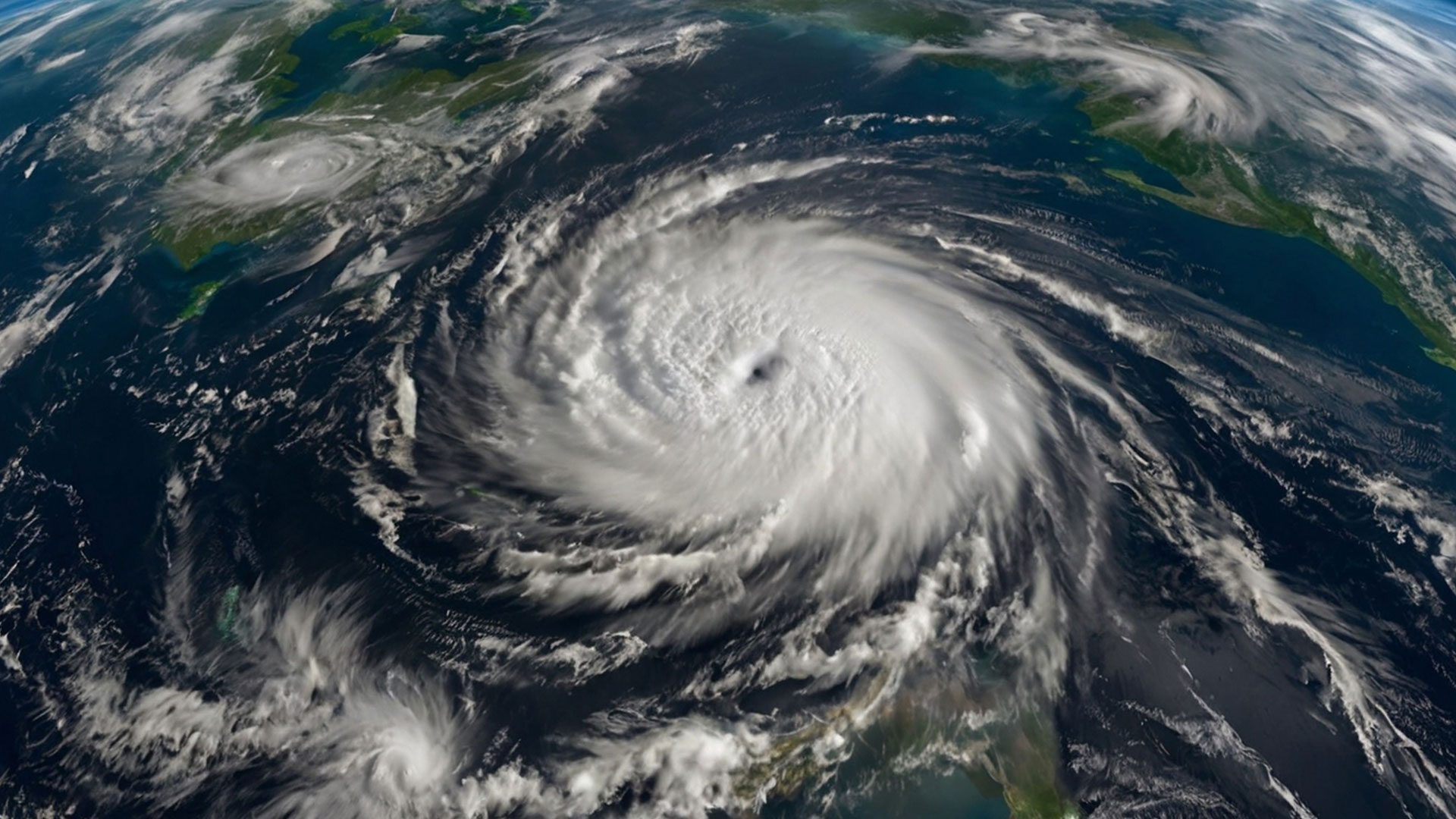
Drexel researchers and colleagues from the University of Maryland found a statistically significant link between severe natural disasters — like heatwaves, droughts, floods and wildfires — and a loss of health care infrastructure, including hospitals and outpatient care facilities.
“Communities experiencing severe disasters often face declines in health care resources, with the effects lasting for years,” says senior author Yvonne Michael, a professor of epidemiology in the Dana and David Dornsife School of Public Health. “This underscores the potential long-term effects of disasters on human health, beyond their immediate, acute impacts.”
The researchers looked at data from more than 3,000 counties between 2000 and 2014 that experienced 6,263 climate disasters of varying severity. Previous studies typically focused on a single disaster in a single location (think Hurricane Katrina and Hurricane Sandy), making this a never-before-seen look at how severe climate events can lead to closures of outpatient care practices.
Additionally, the team found that counties that lost health care facilities were more likely to experience high poverty and greater racial segregation. Similarly, counties that maintained or gained health care facilities following a natural disaster had lower levels of poverty.
The authors suggest that these findings may be conservative, considering the increasing number, and cost, of climate-induced natural disasters. They hope their study can inspire further research as well as an investment in public health infrastructure as part of disaster planning and recovery efforts. DM


