



Patrick Ganzer, 39
PhD biomedical engineering and science ’13
ASSISTANT PROFESSOR, DEPARTMENT OF BIOMEDICAL ENGINEERING AND THE MIAMI PROJECT TO CURE PARALYSIS, UNIVERSITY OF MIAMI


Patrick Ganzer, 39
PhD biomedical engineering and science ’13
ASSISTANT PROFESSOR, DEPARTMENT OF BIOMEDICAL ENGINEERING AND THE MIAMI PROJECT TO CURE PARALYSIS, UNIVERSITY OF MIAMI

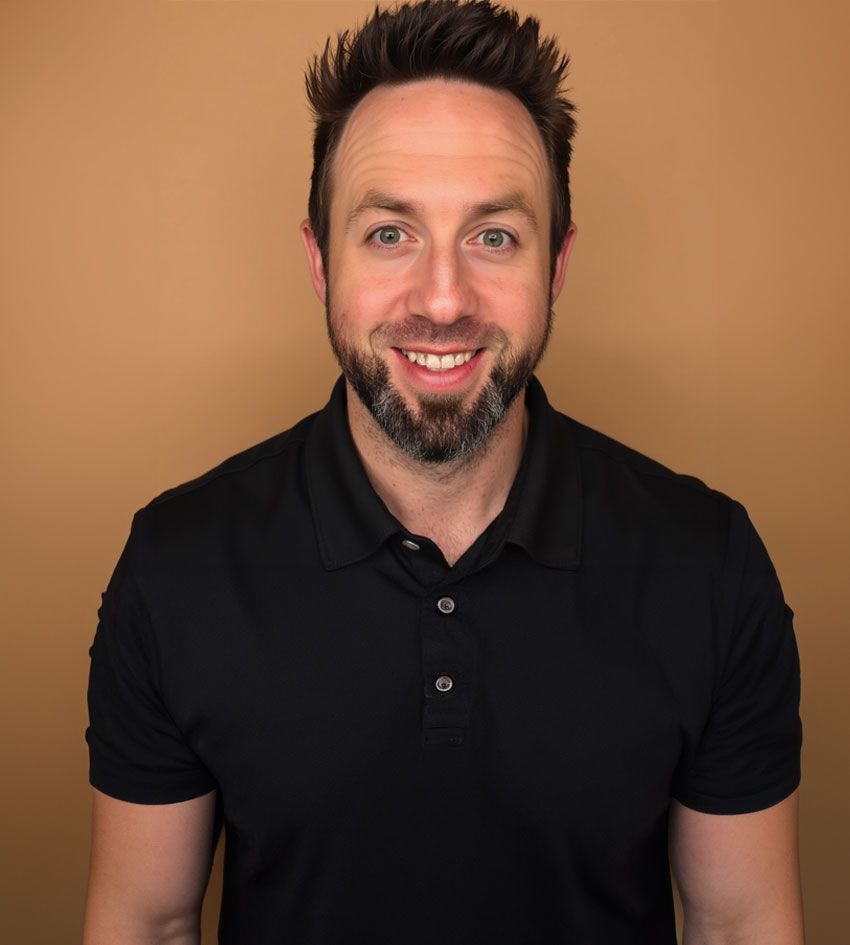
Neurotechnologist Patrick Ganzer develops brain-computer interfaces that restore the sense of touch in people with paralysis.
A Drexel-trained neuroscientist and biomedical engineer, Patrick Ganzer develops biomedical technologies that are changing the world. He is an inventor on six U.S. patents spanning noninvasive bioelectronic control of blood pressure to sensorimotor neural control interfaces. An assistant professor at the University of Miami, Ganzer leads a translational neurotechnology lab and holds dual appointments in the Department of Biomedical Engineering and The Miami Project to Cure Paralysis. “Our teams research and develop technologies that help the nervous system rewire itself and restore lost function following spinal cord injury or other forms of physiological dysfunction,” he says. He is the principal investigator on a National Institutes of Health R01 award aimed at restoring function after spinal cord injury, and he previously led a U.S. Department of Defense DARPA program advancing wireless neural interface technology. As a researcher he's published 25 peer-reviewed articles and book chapters, including a 2020 study featured on the cover of Cell marking the first successful restoration of the sense of touch in a person with quadriplegia using a brain-computer interface. Yet, growing up, Ganzer never imagined he’d be a scientist. He was considering other programs at Drexel when admission counselors, impressed by his grades and undergraduate research, encouraged him to apply to the Biomedical Engineering and Science PhD program.
“Drexel made me who I am today. The Drexel ethos — experiential, entrepreneurial, impact-first — runs through my work.”
Earlier in his career, Ganzer quickly rose to the rank of senior research scientist at the world’s largest independent nonprofit research and development organization: the Battelle Memorial Institute. In 2021, he returned to academia to train and mentor “the next wave of neuroengineers who will take these ideas further than I can alone.” In less than five years, he’s mentored or advised more than 50 graduate and undergraduate students, setting high marks in the department. Ganzer’s role in shaping the future of neuroengineering and the next generation of scientists is what inspired research collaborator Douglas J. Weber of Carnegie Mellon University to nominate him. “In addition to his truly innovative, ground-breaking research, Dr. Ganzer is an exceptional mentor and educator who provides unique and exciting research opportunities for trainees at all levels,” Weber says.


My Greatest Accomplishment:
Learning how to develop clinically relevant neurotechnology that is both high-risk and high-impact — and it certainly takes quite the team to do so! I’ve led major neurotechnology programs across industry and academia, including government-sponsored efforts focused on next-generation neural interfaces or restoring function following spinal cord injury. Just as important, I’m extending these skills through mentorship and training, creating a lab environment at the University of Miami where students learn to build technologies that are designed for real-world clinical applications.
How Drexel Shaped My Path:
My PhD education at Drexel opened my eyes to a career in research. I joined the laboratory of Dr. Karen Moxon and began my journey to becoming a scientist. I remember the first time I saw live brain activity in the laboratory — it was fascinating. From there, Drexel gave me the confidence and the skillset to take the next steps in my career as a scientist. Thank you to Drexel and all of my mentors for helping me become what I am today.
Where I Hope To Be in Five Years:
In five years, I aim to have translated a number of closed-loop bioelectronic medicines into clinical applications for treating dysfunction and disease. I also want my lab to be a recognized training hub for translational neuroengineering, where students leave with the skills to build robust and clinically relevant technologies. Ultimately, success will look like measurable patient impact and trainees who go on to become leaders in the field of neurotechnology. DM


My Greatest Accomplishment:
Learning how to develop clinically relevant neurotechnology that is both high-risk and high-impact — and it certainly takes quite the team to do so! I’ve led major neurotechnology programs across industry and academia, including government-sponsored efforts focused on next-generation neural interfaces or restoring function following spinal cord injury. Just as important, I’m extending these skills through mentorship and training, creating a lab environment at the University of Miami where students learn to build technologies that are designed for real-world clinical applications.
How Drexel Shaped My Path:
My PhD education at Drexel opened my eyes to a career in research. I joined the bioengineering laboratory of Professor Karen Moxon and began my journey to becoming a scientist. I remember the first time I saw live brain activity in the laboratory — it was fascinating. From there, Drexel gave me the confidence and the skillset to take the next steps in my career as a scientist. Thank you to Drexel and all of my mentors for helping me become what I am today.
Where I Hope To Be in Five Years:
In five years, I aim to have translated a number of closed-loop bioelectronic medicines into clinical applications for treating dysfunction and disease. I also want my lab to be a recognized training hub for translational neuroengineering, where students leave with the skills to build robust and clinically relevant technologies. Ultimately, success will look like measurable patient impact and trainees who go on to become leaders in the field of neurotechnology. DM

 Built with Shorthand


