



Allyson Pinkhover, 35
MPH ’16
DIRECTOR OF SUBSTANCE USE SERVICES, BROCKTON NEIGHBORHOOD HEALTH CENTER


Allyson Pinkhover, 35
MPH ’16
DIRECTOR OF SUBSTANCE USE SERVICES, BROCKTON NEIGHBORHOOD HEALTH CENTER

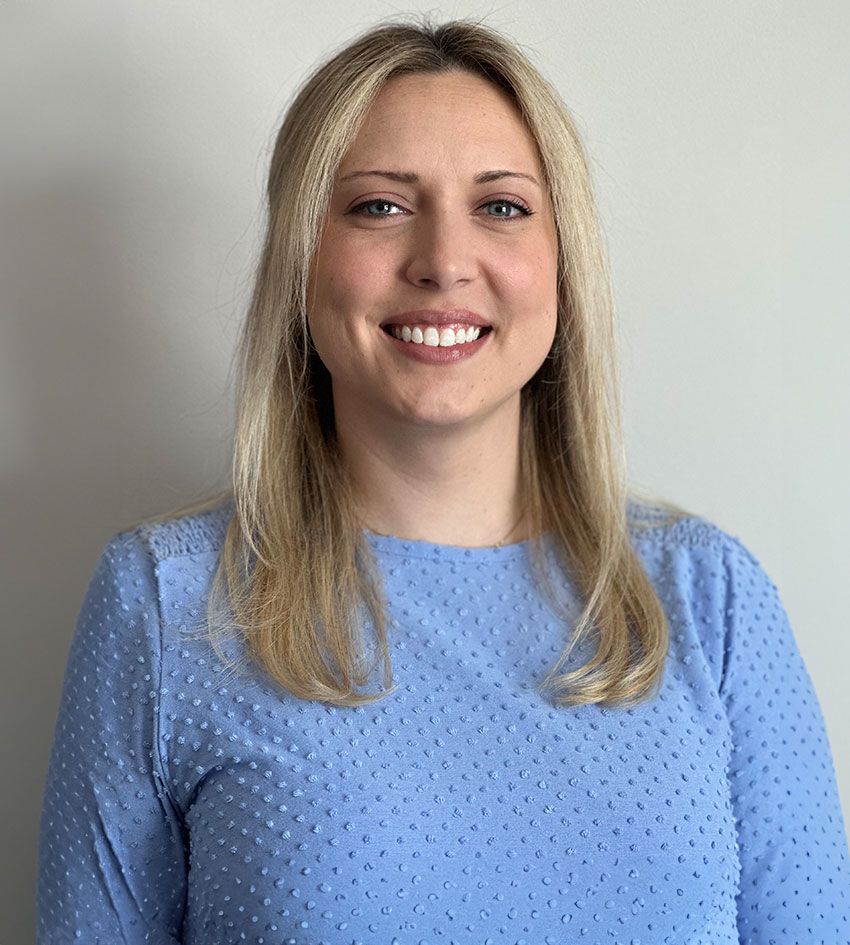
Allyson Pinkhover oversees substance use and homelessness programs while pushing for harm reduction policies that center marginalized communities.
Allyson Pinkhover doesn’t rest on her laurels. As the director of substance use services at the Brockton Neighborhood Health Center in Massachusetts, she oversees substance use, re-entry and homelessness programs and helps the center strengthen its harm reduction approach. She’s also chair of the board of health in the town of Holbrook, an elected position she sought after the COVID-19 pandemic underscored its importance. In that role, she’s ensured opioid abatement funds are spent responsibly and pushed her department to modernize its public health offerings. And if that weren’t enough, she’s also a doctoral candidate at the Johns Hopkins Bloomberg School of Public Health, concentrating in health equity and social justice. She expects to defend her dissertation this year, on the role that chemical analysis of drugs can play in improving the health of people who use drugs. It’s a dizzying array of assignments and responsibilities but one Pinkhover handles with grace, always insistent on raising up those around her, particularly when society tends to push them down. It helps, she says, that her time at Drexel’s Dana and David Dornsife School of Public Health instilled in her values-based priorities.
“Other schools give you training in public health, but in that program the emphasis on human rights was extraordinary.”
In addition to the foundational hard skills she learned during her master’s in public health, she learned about the human-centered side of health care, including time volunteering at the Eliza Shirley House, an emergency shelter in Philadelphia. That opportunity taught her “to interact with the community and work with people, as opposed to working at them.” She’s carried that mindset into a career she says is equal parts gratifying and exhausting. Working with people who use drugs and those experiencing homelessness can be challenging, she says, but it allows her to sharpen her focus on health as a human right — and to fight for those often excluded from conversations about the health care system. “If there’s an opportunity to do right by people who are typically left out of local policy or services, that’s always highly motivating to me,” she says.


My Greatest Accomplishment:
Helping to build and grow harm reduction–centered substance use services within a community health center alongside an amazing team of colleagues and patients. I’m especially proud of work that is designed to meet the unique needs of people from marginalized groups, including unhoused individuals, perinatal people and those currently incarcerated who currently or previously used drugs. I am also proud of my involvement in local government, particularly providing leadership to ensure responsible, effective use of municipal opioid abatement funds.
How Drexel Shaped My Path:
Drexel’s training gave me the skills and practical understanding of how to incorporate human rights and social justice within my work, which are central to my passion for harm reduction and public health. It helped me understand the importance of keeping people and community centered and the importance of listening first, building trust and being accountable to the people we serve. While my education helped provide me the hard skills needed to be a competent public health practitioner, it more importantly helped me understand that I could bring empathy, advocacy and personal values to leadership.
Where I Hope To Be in Five Years:
In five years, I hope to continue bridging community-based practice with policy change. I want to shape policies that protect harm reduction work and improve access to safety, shelter and housing. Staying connected to frontline work is important to me. Supporting representation of the harm reduction and public health workforce in municipal government, especially those with lived and living experience, is an area I hope to support so that local policies and practices are shaped by those who are most impacted by them. DM


My Greatest Accomplishment:
Helping to build and grow harm reduction–centered substance use services within a community health center alongside an amazing team of colleagues and patients. I’m especially proud of work that is designed to meet the unique needs of people from marginalized groups, including unhoused individuals, perinatal people and those currently incarcerated who currently or previously used drugs. I am also proud of my involvement in local government, particularly providing leadership to ensure responsible, effective use of municipal opioid abatement funds.
How Drexel Shaped My Path:
Drexel’s training gave me the skills and practical understanding of how to incorporate human rights and social justice within my work, which are central to my passion for harm reduction and public health. It helped me understand the importance of keeping people and community centered and the importance of listening first, building trust, and being accountable to the people we serve. While my education helped provide me the hard skills needed to be a competent public health practitioner, it more importantly helped me understand that I could bring empathy, advocacy and personal values to leadership.
Where I Hope To Be in Five Years:
In five years, I hope to continue bridging community-based practice with policy change. I want to shape policies that protect harm reduction work and improve access to safety, shelter and housing. Staying connected to frontline work is important to me. Supporting representation of the harm reduction and public health workforce in municipal government, especially those with lived and living experience, is an area I hope to support so that local policies and practices are shaped by those who are most impacted by them. DM

 Built with Shorthand


